How to choose a reliable supplier of Moroccan food products
Business model, product information, documents, consistency, communication and contract terms: a practical framework for selecting a Moroccan food supplier you can build on.
By MARY JAD team · Published · 4 min read
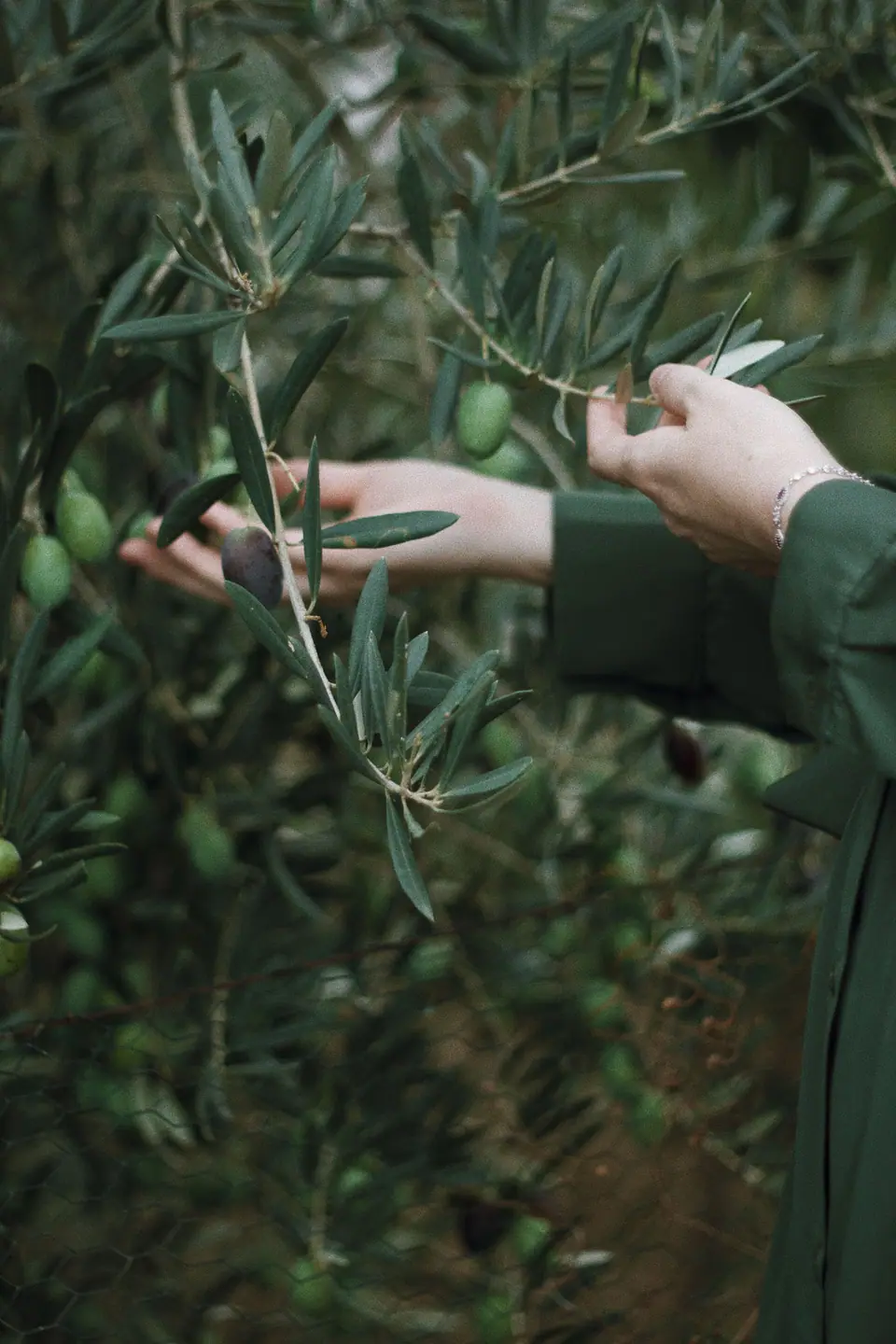
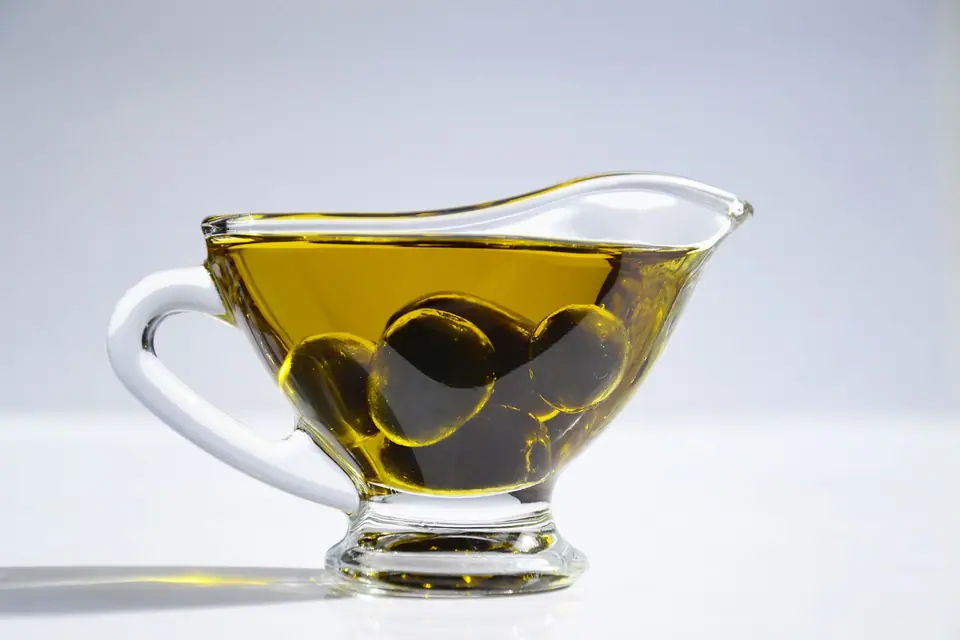
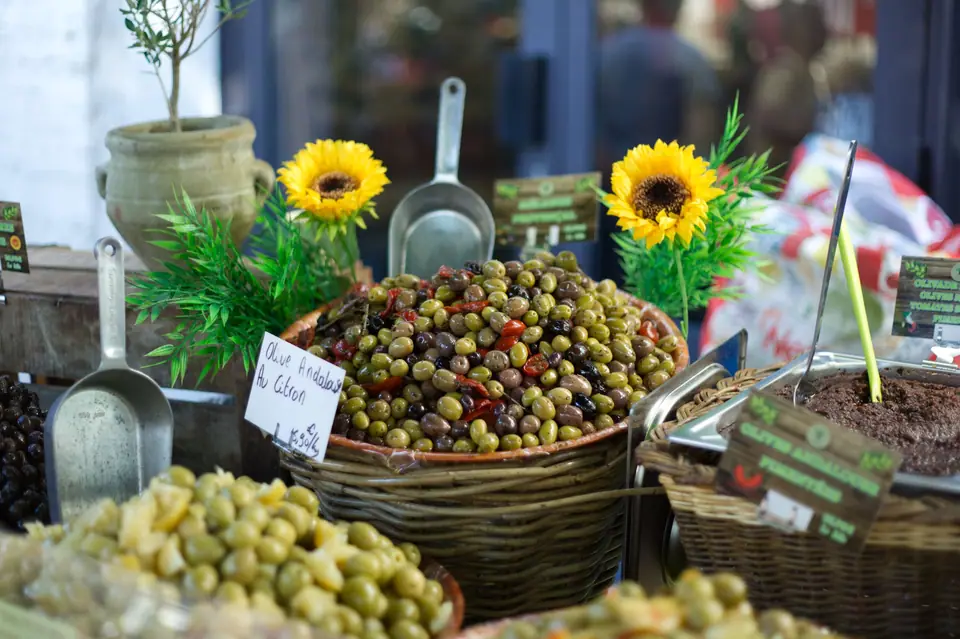
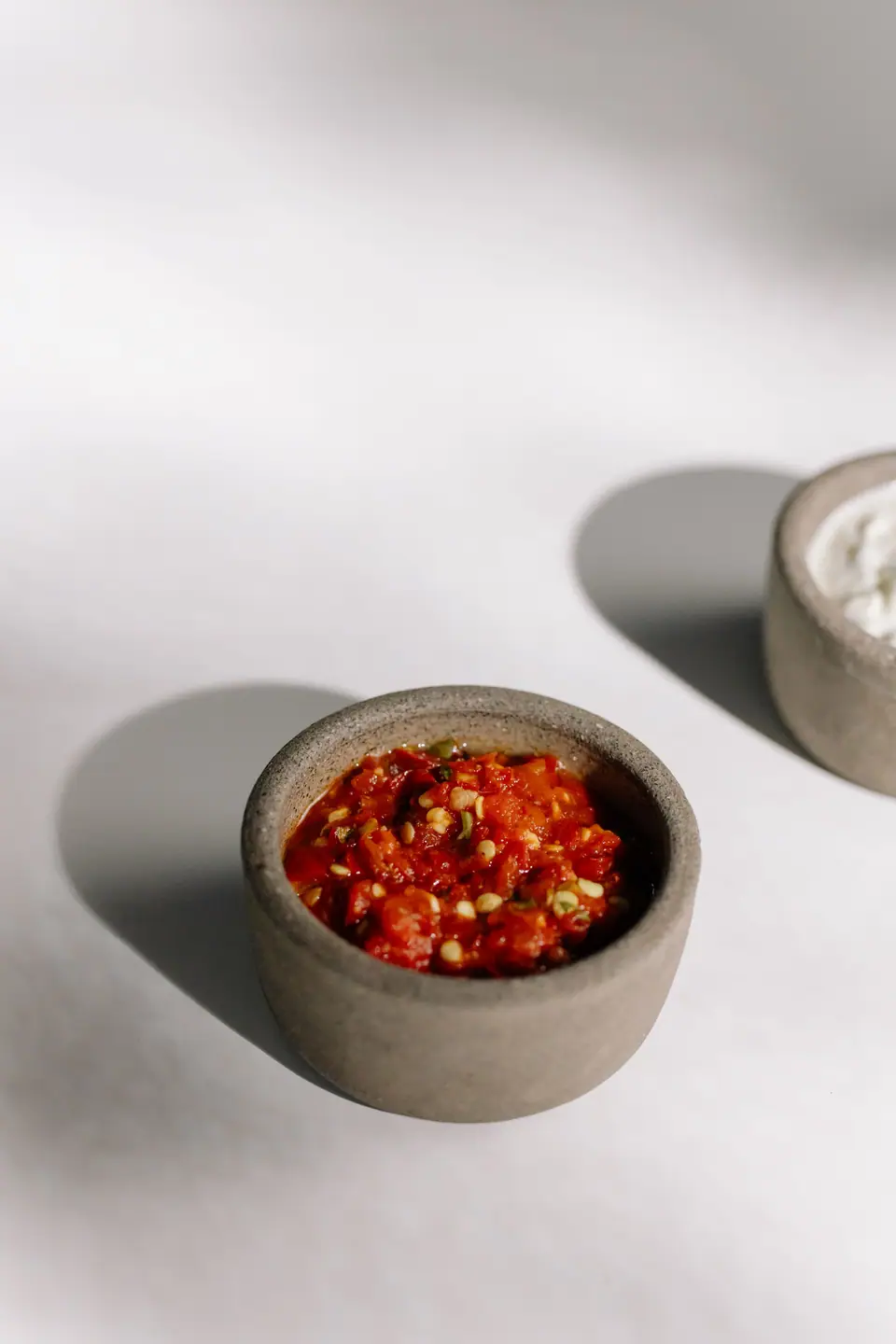
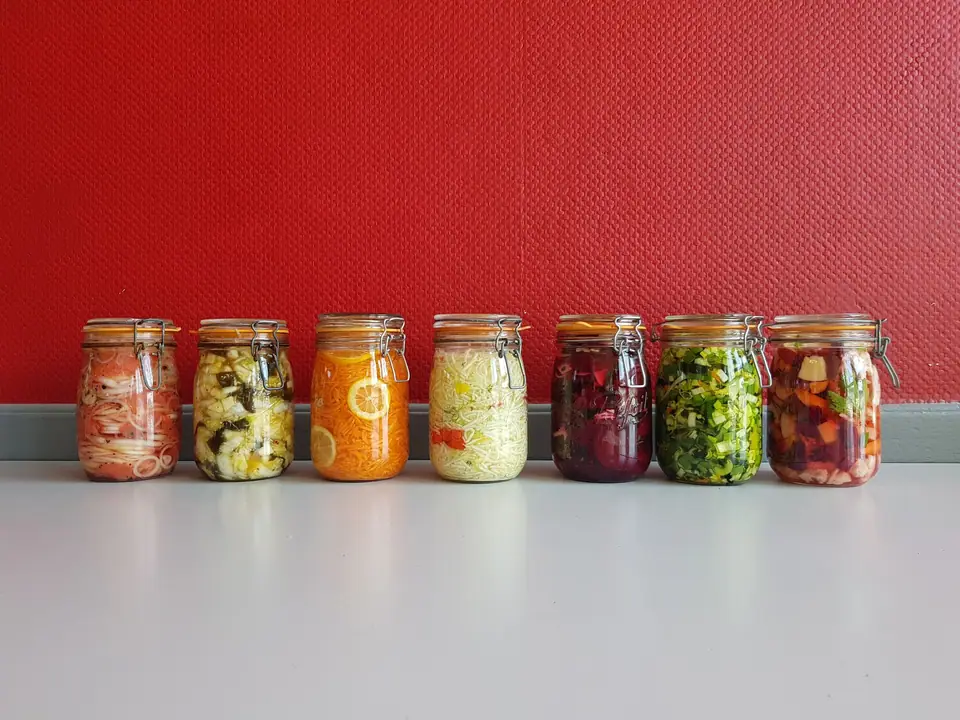
Morocco is a well-established origin for olive oil, table olives, preserved lemons, harissa and a wide range of traditional preparations. For importers and distributors in the Gulf, North America, Africa or Asia, the challenge is rarely finding a supplier — it is finding one you can rely on order after order.
This article sets out a practical framework to assess Moroccan food suppliers before you commit.
Start with the supplier’s business model
Moroccan food supply involves several kinds of businesses, each with different strengths:
- Producers and cooperatives grow and process the product. They offer proximity to the origin but may have a narrow range and limited export documentation.
- Processors and canneries transform raw materials into finished goods (olives in brine, tapenades, preserved lemons) and are usually better equipped for export packaging.
- Trading companies and commercial intermediaries source from several producers and consolidate offers, documents and logistics for buyers.
None is better in absolute terms. What matters is that the supplier is transparent about its role: does it produce, process, or source from partners? MARY JAD, for example, is a Moroccan trading company that works with cooperatives, producers and specialised suppliers — see about us.
Check the quality of product information
A reliable supplier can describe its products precisely. Ask for:
- the exact product name and recipe (ingredient list, allergens);
- packaging details: net weight, drained weight where relevant, container type;
- shelf life and storage conditions;
- for olive oil, the commercial grade and harvest season of the lot offered.
Vague answers at this stage usually lead to disputes later. A supplier who says “to be confirmed” and then confirms in writing is more trustworthy than one who promises everything immediately.
Verify documents — don’t just collect them
Documents only protect you if they are valid and relevant. For each certificate or report, check:
- Who holds it — does the name match the supplier or the production site?
- What it covers — which products, which site, which process?
- When it expires — is it still valid on the shipment date?
- Who issued it — a recognised laboratory or certification body?
In Morocco, food safety is overseen by the national food safety office (ONSSA) under Law No. 28-07. Requirements for the production site and for export depend on the product and the destination, so confirm them for each item.
Assess consistency, not just the first sample
The first sample is often the best one. Reliability is about the tenth shipment. To evaluate consistency:
- ask how the supplier manages seasonal variation (harvest timing for olives and oil);
- ask whether the delivered lot will match the approved sample;
- keep a reference sample from your first delivery and compare every following shipment;
- agree on acceptable tolerances in the specification.
Test communication early
Response time and clarity before the first order are strong signals:
- How quickly does the supplier answer technical questions?
- Are offers written, detailed and unambiguous?
- Does the supplier tell you proactively about changes (recipe, packaging, availability)?
Put the terms in writing
A professional written offer should specify:
- product, format and quantity;
- price, price unit and currency;
- delivery terms using the ICC Incoterms® rules (Incoterms® 2020 is the version in force) with a named place;
- payment terms;
- lead time and offer validity;
- the documents provided with the shipment;
- how claims are handled.
Our article on what to include in a request for quotation explains how to ask for exactly this information.
Five questions for the first call
- Which products do you produce yourselves, and which do you source from partners?
- Which documents can you provide for this product, and are they in the name of the production site?
- Will the shipped lot match the sample I approve?
- What is the minimum order and the usual lead time for my destination?
- Who handles labelling for my market?
Red flags to watch for
- Prices far below the market with no explanation.
- Certificates that cannot be verified or that belong to another company.
- Refusal to put terms in writing.
- Pressure to pay large advances before any documentation is shared.
- Inconsistent answers about where and how the product is made.
A step-by-step selection process
- Shortlist suppliers based on range, formats and documentation.
- Request specifications and verify documents.
- Evaluate samples, ideally blind against your current product.
- Place a trial order of reasonable size with clear acceptance criteria.
- Review the trial: quality on arrival, documents, timing, communication.
- Scale up gradually, with periodic reviews.
Our supplier evaluation checklist provides a ready-to-use scoring grid.
Work with MARY JAD
We supply professional buyers with Moroccan olive oils, table olives, tapenades, preserved lemons, harissa and specialities, in retail and bulk formats. Every request receives a written offer that states clearly what is confirmed and what remains to be confirmed.
Ready to start? Send us your request for quotation with products, formats, volumes and destination.
Sources and references
Planning a sourcing project?
Describe your products, formats and volumes: we reply with a written offer.