Ordering food products from Morocco: a step-by-step process
From defining your need to receiving the goods: the ten steps of an international order of Moroccan food products, with the decisions and documents involved at each stage.
By MARY JAD team · Published · 4 min read
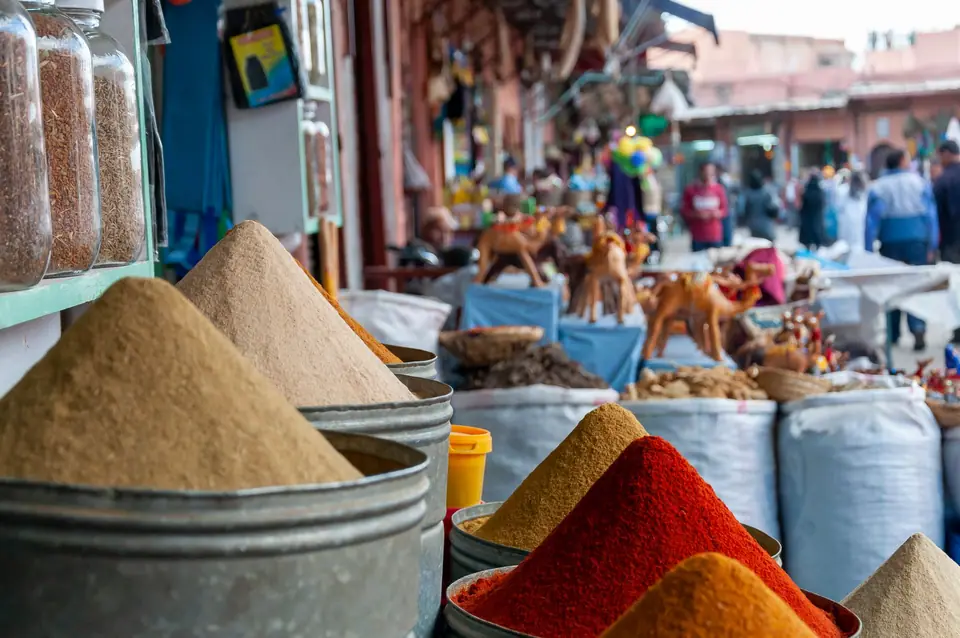
Ordering food products from Morocco follows the same logic as any international food purchase, with a few specifics: seasonal products such as olives and olive oil, a mix of small producers and established processors, and documentation that depends heavily on the destination country. Knowing the steps in advance helps you plan timing, avoid surprises and keep control of your costs.
Here is the typical process, from your first idea to goods on your shelves.
Step 1 — Define your need
Before contacting suppliers, write down:
- the products and the channel they are for (retail, food service, industry);
- the formats you need (jars, bottles, buckets);
- an estimate of volumes and frequency;
- your target timing.
The clearer this brief, the faster and more accurate the offers. Our catalogue of Moroccan products can help you shortlist items and formats.
Step 2 — Check your market requirements
Each destination has its own rules on food safety, labelling, permitted ingredients and import documentation. Check them with your local authorities, your customs broker or a regulatory adviser before ordering. Make a list of the documents you will need at import.
Step 3 — Send a request for quotation
Send suppliers a structured request: products, specifications, formats, volumes, destination, preferred delivery terms and required documents. Our guide what to include in a request for quotation includes a template.
Step 4 — Compare written offers
Compare offers on the same basis:
- price per unit and per kilo or litre;
- delivery terms — expressed with the ICC Incoterms® rules (Incoterms® 2020 in force) and a named place;
- lead time and offer validity;
- documents included;
- payment terms.
Then estimate the landed cost: price, transport, insurance, duties and taxes, and clearance fees.
Step 5 — Validate samples
Request samples in final packaging, evaluate them against clear criteria and keep a reference sample. For olive oil and olives, ask whether the sample comes from the lot that will be shipped.
Step 6 — Agree on the contract
Confirm in writing: products and specifications, quantities, prices, delivery terms, payment terms, lead time, documents and claims procedure. A purchase order that references the supplier’s written offer is the minimum; larger or recurring volumes justify a supply agreement.
Step 7 — Production and preparation
The supplier prepares the goods: production or picking from stock, labelling (possibly in your language), packing and palletisation. For seasonal products, preparation is aligned with harvest and processing periods.
Step 8 — Export documents and formalities
In Morocco, food safety is supervised by the national food safety office (ONSSA). Depending on the product and the destination, the shipment is accompanied by documents such as the commercial invoice, packing list, certificate of origin and any sanitary certificate required by the importing country. Export customs clearance is handled by the party designated by the agreed Incoterm.
Step 9 — Transport
Moroccan exports leave mainly by sea, and by road towards Europe. Your forwarder or the supplier (depending on the Incoterm) books transport, and you receive the transport document and tracking information. Plan for port congestion and seasonal peaks in your timeline.
Step 10 — Import clearance and receipt
At destination, the goods are cleared by customs and, where applicable, inspected by food control authorities. On receipt:
- check quantities against the packing list;
- inspect packaging condition;
- compare the product with the reference sample;
- record lot numbers for traceability;
- report any issue within the agreed time limit, with photos.
Typical timeline
The total duration varies with the product, availability, labelling needs and route. A first order generally takes longer than repeat orders, because samples, specifications and labels must be validated once. Ask your supplier for the expected lead time in the offer and add a buffer for transport.
Common mistakes on a first order
- Skipping the market check. Discovering a labelling or document requirement at the destination port is the most expensive way to learn it.
- Comparing prices on different delivery terms. An ex-works price and a delivered price are not comparable until transport, insurance and clearance are added.
- Ordering too much, too soon. A first order should validate quality and logistics; volume can follow.
- Leaving the labels to the last minute. Label artwork and translations need to be approved before production starts.
- Not recording lot numbers. Without them, traceability and claims become difficult.
How MARY JAD fits into this process
MARY JAD is a Moroccan trading company connecting producers, cooperatives and specialised suppliers with professional buyers. We work with you on the Moroccan side of steps 3 to 8: written offers, samples where feasible, and the documents available for each product. The exact scope of our involvement — for example, who arranges main transport — is set out in each offer.
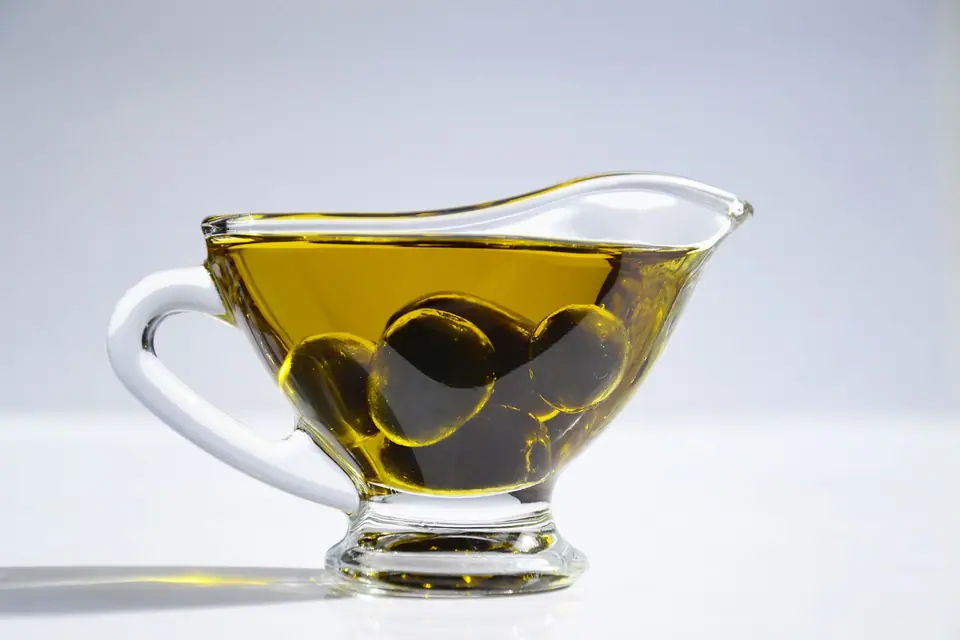
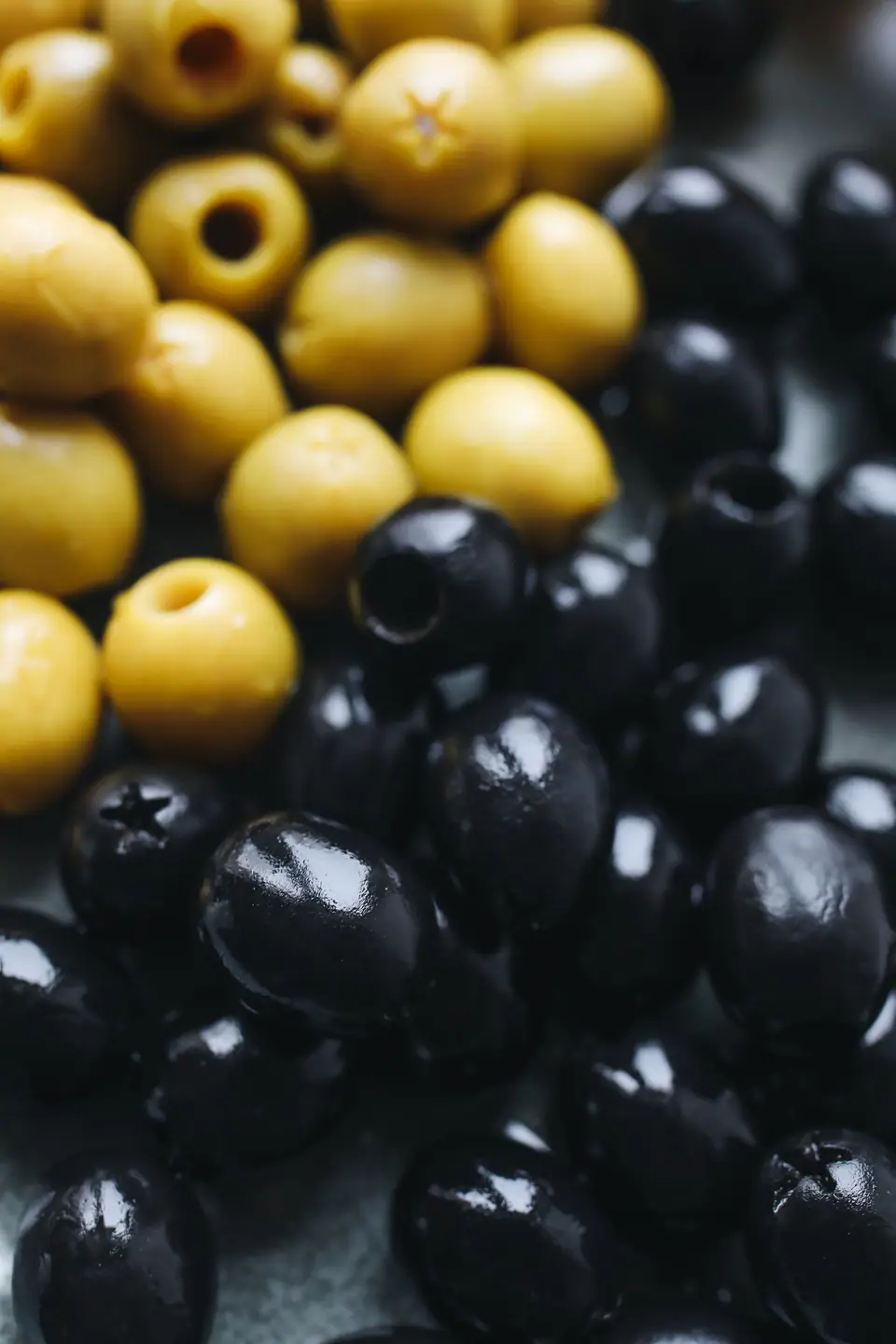
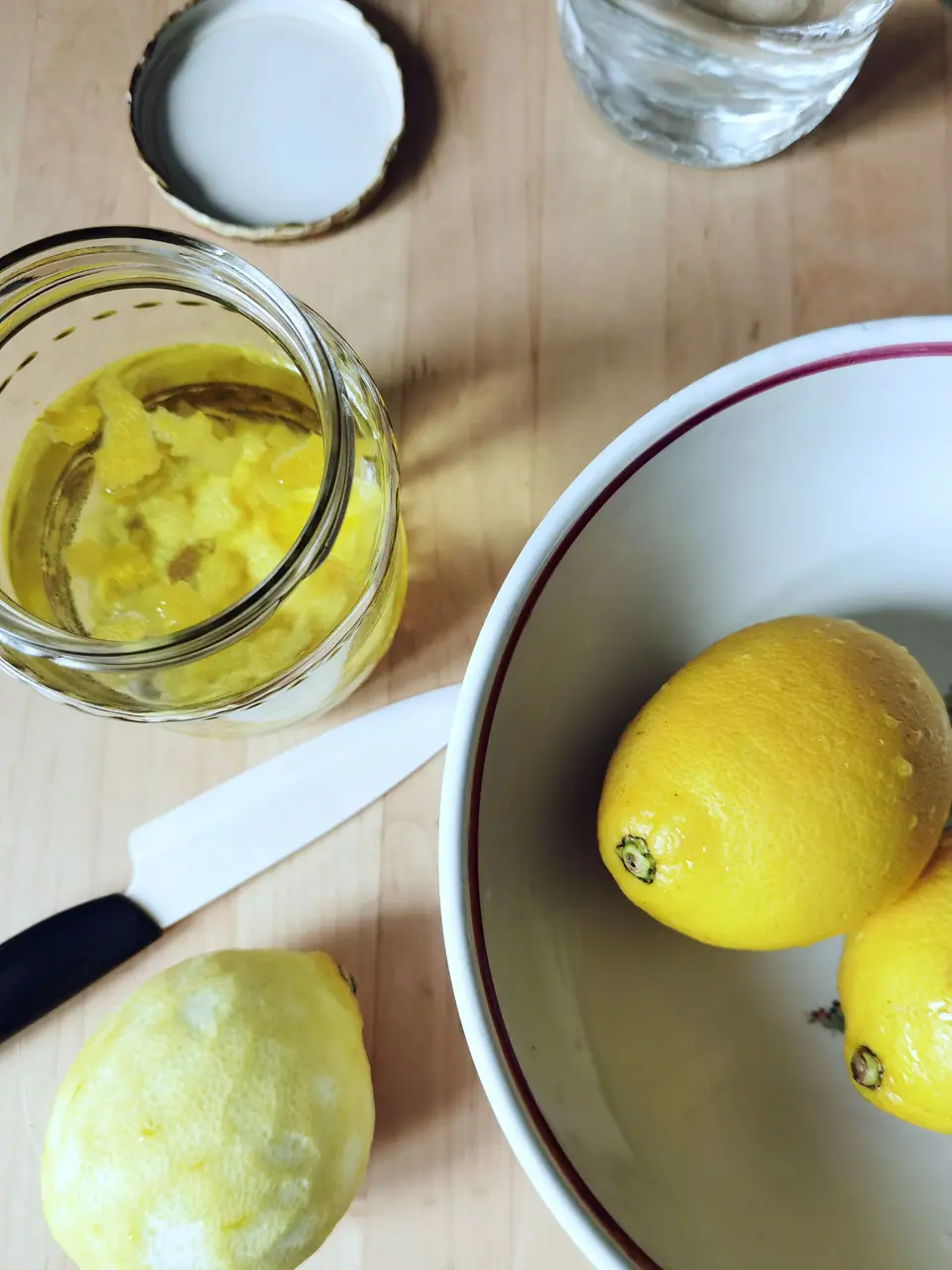
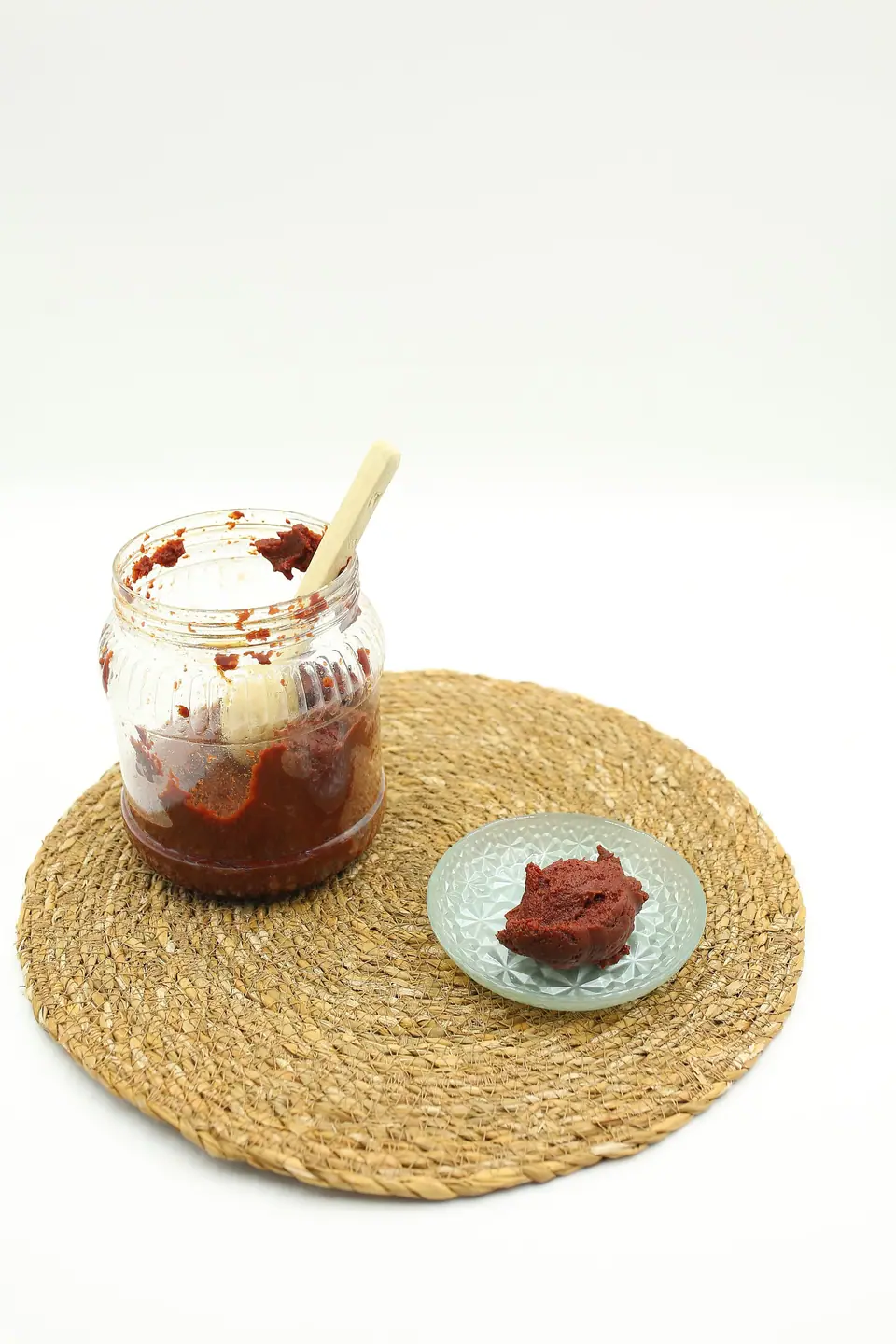
Explore our ranges — olive oils, olives, preserved lemons, harissa & peppers — then send your request for quotation. You will receive an acknowledgement with a reference number, followed by a written offer.
Sources and references
Planning a sourcing project?
Describe your products, formats and volumes: we reply with a written offer.